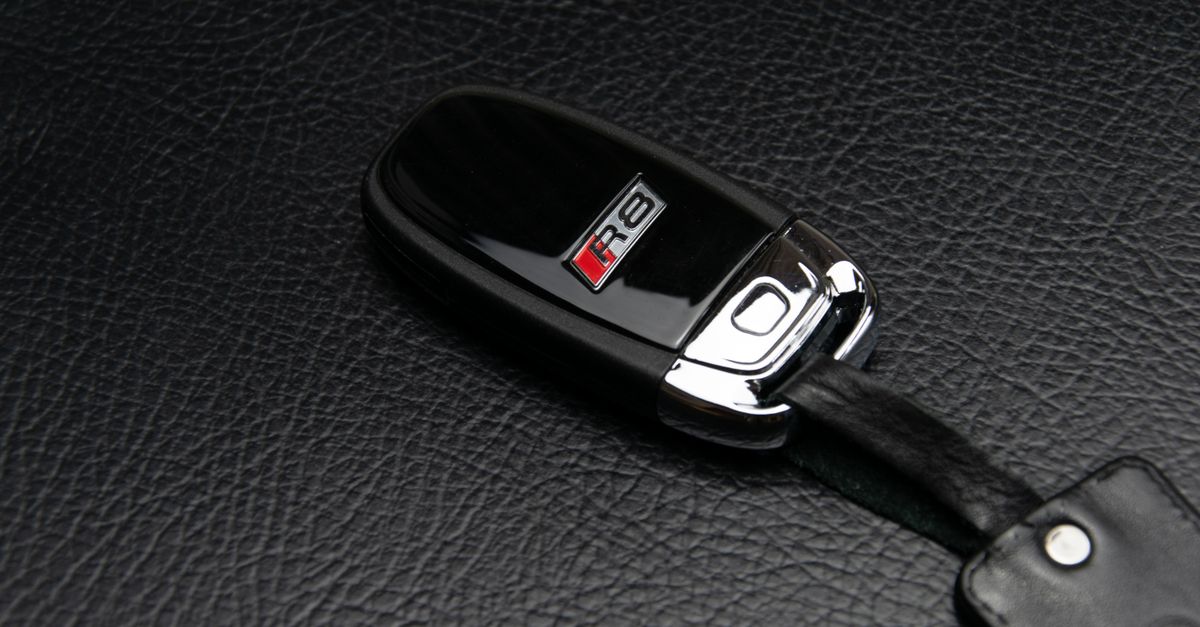
Audi Car Key Replacement: Understanding the Technology in Your Key
Audi has evolved through several generations of key and fob technology, and the type of key your vehicle uses directly affects what's involved in replacing it. Older Audi models (roughly pre-2005) may use a basic transponder key — a standard mechanically cut blade with a passive RFID chip inside the head. That chip must be programmed to match your vehicle's ECU, or the immobilizer will prevent the engine from starting even if the key turns the ignition perfectly. Mid-generation Audi models introduced flip-key fobs, which combine a folding metal blade with remote locking buttons and a transponder in a single unit. Replacing one of these means both cutting the blade to your door and ignition lock code AND programming the remote and transponder components separately.
Modern Audi vehicles — including current-generation Q7, A6, A8, e-tron, and RS models — use proximity smart keys with push-button start. These keys communicate via a rolling-code signal with multiple antennas positioned throughout the car. There is no blade to cut in the traditional sense; programming is done entirely through Audi-specific diagnostic software. Some newer Audi smart keys also include emergency blade inserts for manual door entry, and those blades must be cut to the vehicle's lock profile as well. Our technicians carry the equipment required to handle all of these configurations, including proprietary Audi immobilizer programming protocols, ensuring the replacement key is fully functional — not just mechanically cut.