
What Is a Mortise Lock and Why Do NYC Prewar Doors Use Them?
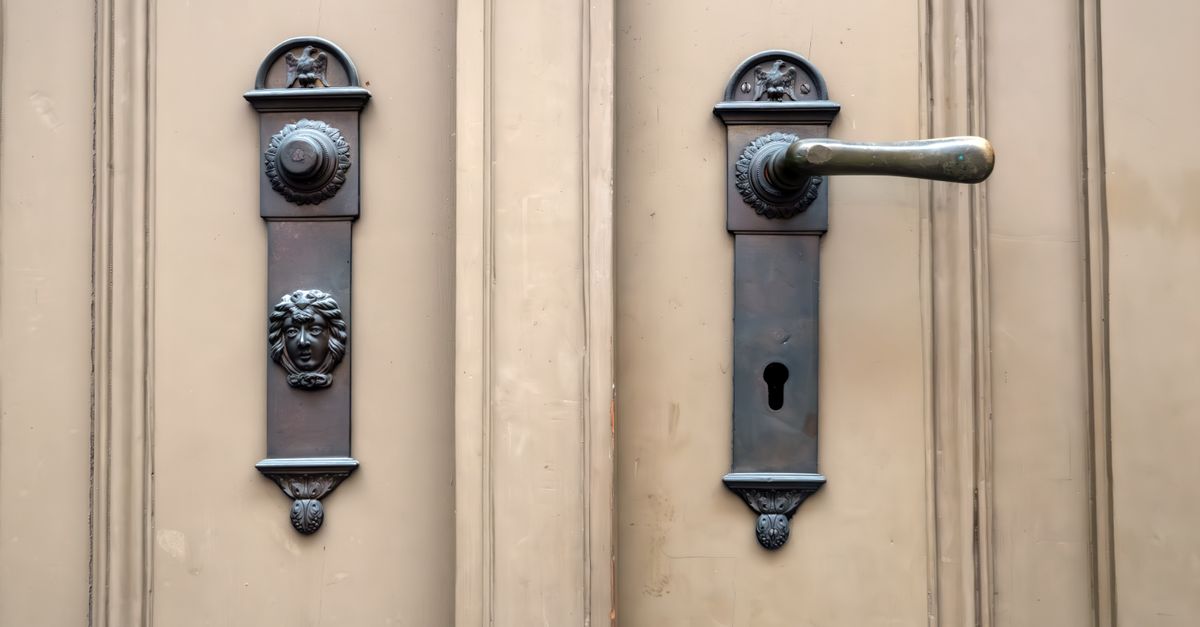
A mortise lock is a complete locking mechanism — latch bolt, deadbolt, and often a privacy or indicator function — housed inside a single rectangular steel case that is recessed ('mortised') into a pocket cut directly into the door stave. Unlike a cylindrical bored lock, where the latch and deadbolt are two separate units drilled through the face of the door, a mortise lock set consolidates everything into one body, which is why a vintage Corbin Russwin mortise lock or a Baldwin mortise lock on a 1920s apartment door is mechanically far more complex than the Kwikset deadbolt on a modern condo door. The trade-off is that a well-maintained mortise lock is extraordinarily strong — the case distributes shear force across the full thickness of the door stave rather than concentrating it at a single bore — but when something fails, the repair requires real mechanical knowledge, not just a YouTube tutorial.
New York City building codes historically favored mortise hardware because landlords and co-op boards demanded a single trim plate that could carry a knob, a deadbolt throw, and a keyed cylinder without weakening the fire-rated door. In buildings governed by the NYC Multiple Dwelling Law, tenant entry doors must meet specific resistance standards, and a mortise lock body — properly maintained — satisfies those requirements in a way that a pair of mismatched cylindrical locks often cannot. That legal context matters when you're deciding between repairing an existing body and swapping in a new mortise lock set exterior door configuration: our technicians will tell you which option keeps your door code-compliant before any work begins.