
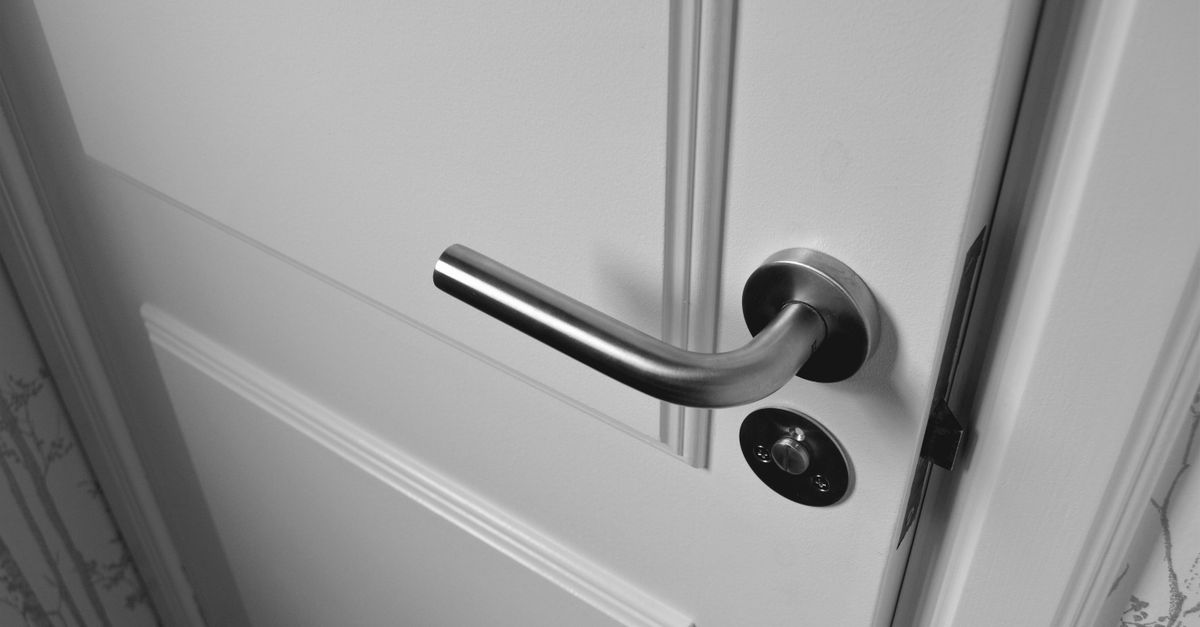
What Is a Mortise Lock and Why Commercial Doors Depend on It
A mortise lock is a complete lock mechanism — latchbolt, deadbolt, and often an auxiliary bolt — housed inside a pocket (the 'mortise') cut directly into the edge of the door. Unlike a standard cylindrical lockset that mounts through a single borehole, a mortise lock set integrates multiple functions into one robust body, making it the preferred choice for commercial-grade doors throughout New York. Brands commonly installed on NYC storefronts and office buildings include Corbin Russwin, Baldwin, Sargent, Yale, and Falcon, each offering different trim styles, cylinder formats, and function codes suited to specific applications — from heavy-duty glass storefront doors on Fifth Avenue to steel-frame entries in the Garment District.
The strength of a mortise lock lies in the way it distributes stress along the full thickness of the door stile rather than relying on a small escutcheon and a single hollow-bore hole. That structural advantage is exactly why building codes in New York favor them for occupancy-rated commercial entries. However, that same complexity means more components that can wear, seize, or break: the case, the hub, the spindle, the cam, the trim, and the cylinder are all independently serviceable — and all are things our technicians stock and replace on-site.